

Semen Analysis, also known as a sperm count test, is a fundamental and non invasive diagnostic procedure used to evaluate male fertility by examining the health and characteristics of a semen sample. The definition of a complete analysis involves assessing three crucial factors: sperm count (the total number of sperm), sperm motility (the percentage of sperm that are actively moving), and sperm morphology (the percentage of sperm that have a normal shape). The full procedure typically requires the man to provide a sample after a brief period of abstinence, which is then thoroughly examined in a specialized laboratory under a microscope. The results are critical for diagnosing male factor infertility and determining the most appropriate treatment, which can range from lifestyle modifications and medications to advanced procedures like Intrauterine Insemination (IUI) or Intracytoplasmic Sperm Injection (ICSI) combined with IVF
Azoospermia is a medical condition defined by the complete absence of sperm in a man’s ejaculate semen, making it a significant cause of male infertility. The condition is broadly categorized into two types: Obstructive Azoospermia, where sperm is produced but a blockage prevents it from entering the semen, and Non-Obstructive Azoospermia, where the testes have difficulty producing sperm due to hormonal or genetic issues. Full treatment is highly dependent on the type and cause. For Obstructive cases, surgical procedures may be performed to clear the blockage. For Non-Obstructive cases or when surgery is unsuccessful, specialized procedures like TESE (Testicular Sperm Extraction) or microTESE are used to surgically retrieve viable sperm directly from the testicular tissue. The retrieved sperm, even if very few, can then be used successfully with advanced IVF techniques like ICSI to achieve fertilization.
MicroTESE (Microdissection Testicular Sperm Extraction) is a highly specialized and delicate surgical procedure used to retrieve viable sperm directly from the testicles in men diagnosed with Non-Obstructive Azoospermia a condition where the body produces very few or no sperm in the ejaculate. Unlike standard testicular biopsies, MicroTESE utilizes a high-powered operating microscope to meticulously examine the testicular tissue in real time, allowing the surgeon to precisely identify and extract the tiny tubules that are most likely to contain sperm. This targeted approach is both more effective at finding sperm and less damaging to the surrounding testicular tissue. Once retrieved, the few precious sperm found are immediately prepared and frozen or used in conjunction with ICSI (Intracytoplasmic Sperm Injection) and IVF to achieve fertilization.
PESA (Percutaneous Epididymal Sperm Aspiration) and TESA (Testicular Sperm Aspiration) are minimally invasive surgical techniques used to retrieve sperm from men who have Obstructive Azoospermia, meaning sperm production is normal but a blockage prevents it from reaching the ejaculate. PESA involves the aspiration of fluid from the epididymis (a coiled tube that stores sperm) using a fine needle, while TESA involves aspirating tissue and sperm directly from the testicle itself. Both procedures are typically performed under local anesthesia and are quick, requiring no large incisions. The retrieved sperm, whether from the epididymis or the testicle, is then prepared for immediate use in an IVF cycle paired with ICSI (Intracytoplasmic Sperm Injection), as these aspiration methods yield fewer sperm than ejaculation.
Erectile Dysfunction (ED) is a common condition defined as the consistent or recurrent inability to achieve or maintain an erection firm enough for satisfactory sexual performance. It can stem from various physical causes, including poor blood flow often linked to heart disease or diabetes, nerve damage, or hormonal imbalances, as well as psychological factors like stress and anxiety. Because achieving an erection is necessary for natural intercourse, ED can directly interfere with attempts to conceive. Treatment is tailored to the underlying cause and typically starts with lifestyle changes (diet, exercise, smoking cessation) and often includes oral medications to increase blood flow to the penis. Other options include Exosomes, vacuum devices, injections, or, in more complex cases, surgical implants. Addressing ED is essential for restoring both sexual function and fertility potential.
Premature Ejaculation (PE) is a common male sexual dysfunction characterized by an ejaculation that occurs sooner than the man or his partner desires during sexual intercourse, often with minimal sexual stimulation. This condition can lead to significant distress, frustration, and difficulties in intimate relationships, and can indirectly impact fertility by making it difficult to achieve successful, timed intercourse during the woman’s fertile window. Treatment is highly effective and usually begins with behavioral techniques, such as the stop-start or squeeze methods, to help the man gain better control over arousal. This is often combined with psychological counseling to address anxiety or relationship factors, and sometimes medications to safely increase the latency period, ultimately restoring satisfaction and confidence in intimate encounters.
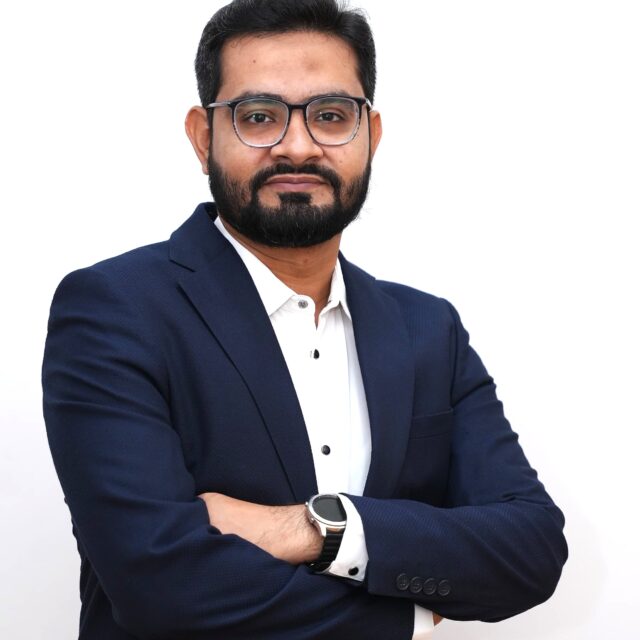
Consultant Andro-urologist

Consultant Urologist, Male Infertility Expert

Consultant Urologist, Male Infertility Expert
Lorem ipsum dolor sit amet, consectetur adipiscing elit.
Inceptos ut eros aptent commodo semper magna tempor pretium adipiscing. Cursus erat consequat ultrices volutpat eleifend. Ut iaculis lobortis interdum commodo eleifend at ultrices luctus lectus est. Egestas consectetur enim pharetra tempus proin ac quam accumsan efficitur quis dolor.
Inceptos ut eros aptent commodo semper magna tempor pretium adipiscing. Cursus erat consequat ultrices volutpat eleifend. Ut iaculis lobortis interdum commodo eleifend at ultrices luctus lectus est. Egestas consectetur enim pharetra tempus proin ac quam accumsan efficitur quis dolor.
Inceptos ut eros aptent commodo semper magna tempor pretium adipiscing. Cursus erat consequat ultrices volutpat eleifend. Ut iaculis lobortis interdum commodo eleifend at ultrices luctus lectus est. Egestas consectetur enim pharetra tempus proin ac quam accumsan efficitur quis dolor.
Inceptos ut eros aptent commodo semper magna tempor pretium adipiscing. Cursus erat consequat ultrices volutpat eleifend. Ut iaculis lobortis interdum commodo eleifend at ultrices luctus lectus est. Egestas consectetur enim pharetra tempus proin ac quam accumsan efficitur quis dolor.
Inceptos ut eros aptent commodo semper magna tempor pretium adipiscing. Cursus erat consequat ultrices volutpat eleifend. Ut iaculis lobortis interdum commodo eleifend at ultrices luctus lectus est. Egestas consectetur enim pharetra tempus proin ac quam accumsan efficitur quis dolor.
Inceptos ut eros aptent commodo semper magna tempor pretium adipiscing. Cursus erat consequat ultrices volutpat eleifend. Ut iaculis lobortis interdum commodo eleifend at ultrices luctus lectus est. Egestas consectetur enim pharetra tempus proin ac quam accumsan efficitur quis dolor.